What We Believe
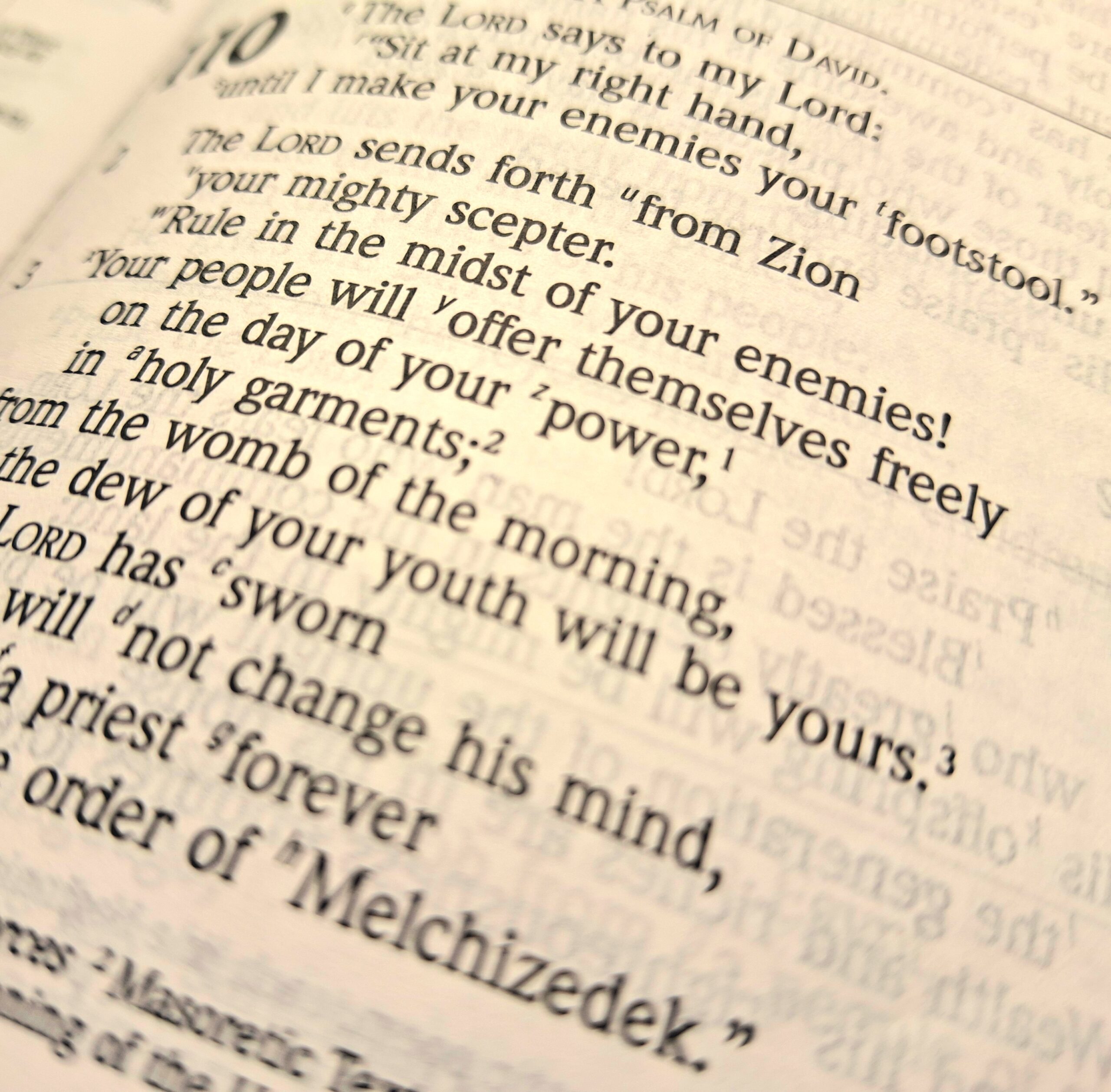
On the Scriptures
We believe that the ultimate rule and authority for all of life is revealed by God in the 66 books of the Old and New Testaments, which contain everything necessary for salvation unto eternal life. These books are considered our only Holy Scripture, which was God-breathed by the Holy Spirit. None of these writings are merely human in origin, but in the past, in various times and many ways, men were moved by God to write down words of prophecy, yet not in such a way that the human authors’ writing style is absent. (Hebrews 1:1; 2 Peter 1:21)
We also believe that the Holy Spirit has superintended the recognition of and preserved this canon of Scripture for the rule and edification of His people for all coming ages. In the original writings, we understand these words from God to be infallible and without error. Though we do not possess the artifacts of the original written communication from the human authors, the historicity of these biblical texts is incredibly well-established and modern methods of textual analysis continue to confirm and refine our confidence that the Scriptures we possess reflect the autographs accurately.
God reveals His attributes through the witness of the created order (Romans 1.19-20), yet it is only by the special revelation of Scripture that we understand the narrative of God in his creation, the fall of man, the redemption through Jesus Christ, and the coming consummation of all things in eternity future (Hebrews 1:2).
On Creeds and Confessions
The Bible is our ultimate rule, but we affirm historic creeds and confessions, and look to these as faithful guides to summarize and instruct our Christian living and church doctrine and practice. These, being the product of men, however faithful, in and of themselves do not have equal or higher authority than the Holy Scripture, but are derived from a synthesis of biblical teaching on important primary and secondary doctrines.
Confessions are helpful as summaries, but are not infallible. Scripture itself must correct any man-made statements of faith. Confessions in modern language are useful as long as they are understandable to the ordinary reader.
It is the job of the elders and teachers of a church to help make theology more understandable to the people. Interpreting Scripture can be challenging, but we have the benefit of 2000 years of Church history to draw from, the online accessibility of the world’s greatest scholars, and moreover, the guidance of the Holy Spirit amongst the saints who read the Bible in the communal setting of the local church. The advantage of adopting a confession is that it connects us with faithful, historic understandings of God’s word and doctrine, in our case, from a Reformed Baptist perspective.
Summary Documents
Our doctrine is summarized in the historic London Baptist Confession of Faith of 1646.
An expanded confession to which we also may refer is the London Baptist Confession of Faith of 1689.
We affirm these historic creeds:
Nicene Creed
Athanasian Creed
Chalcedonian Creed